1 / 4
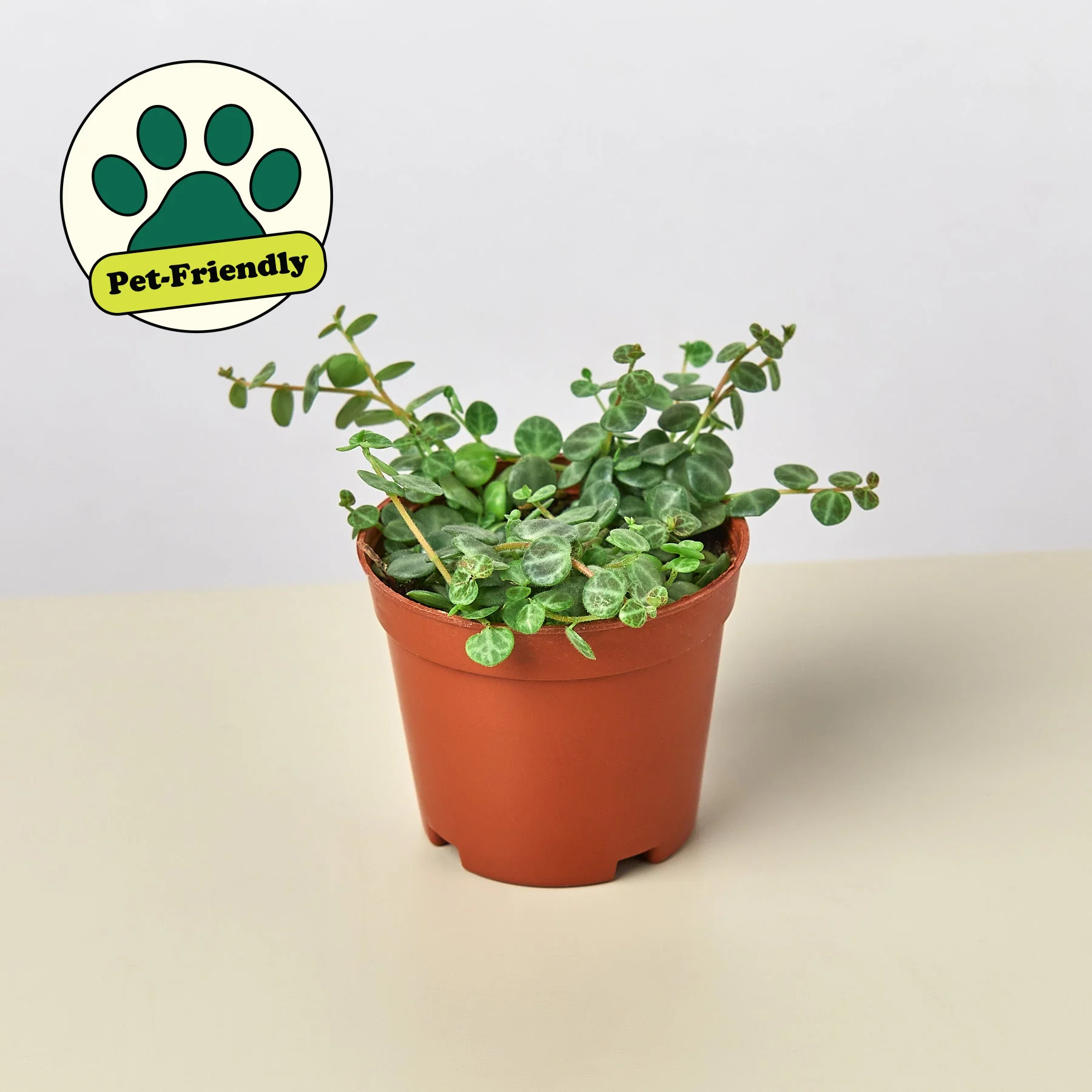
Peperomia Prostrata 'String of Turtles'
- Botanical Name: Peperomia Prostrata
-
Common Name(s): String of Turtles
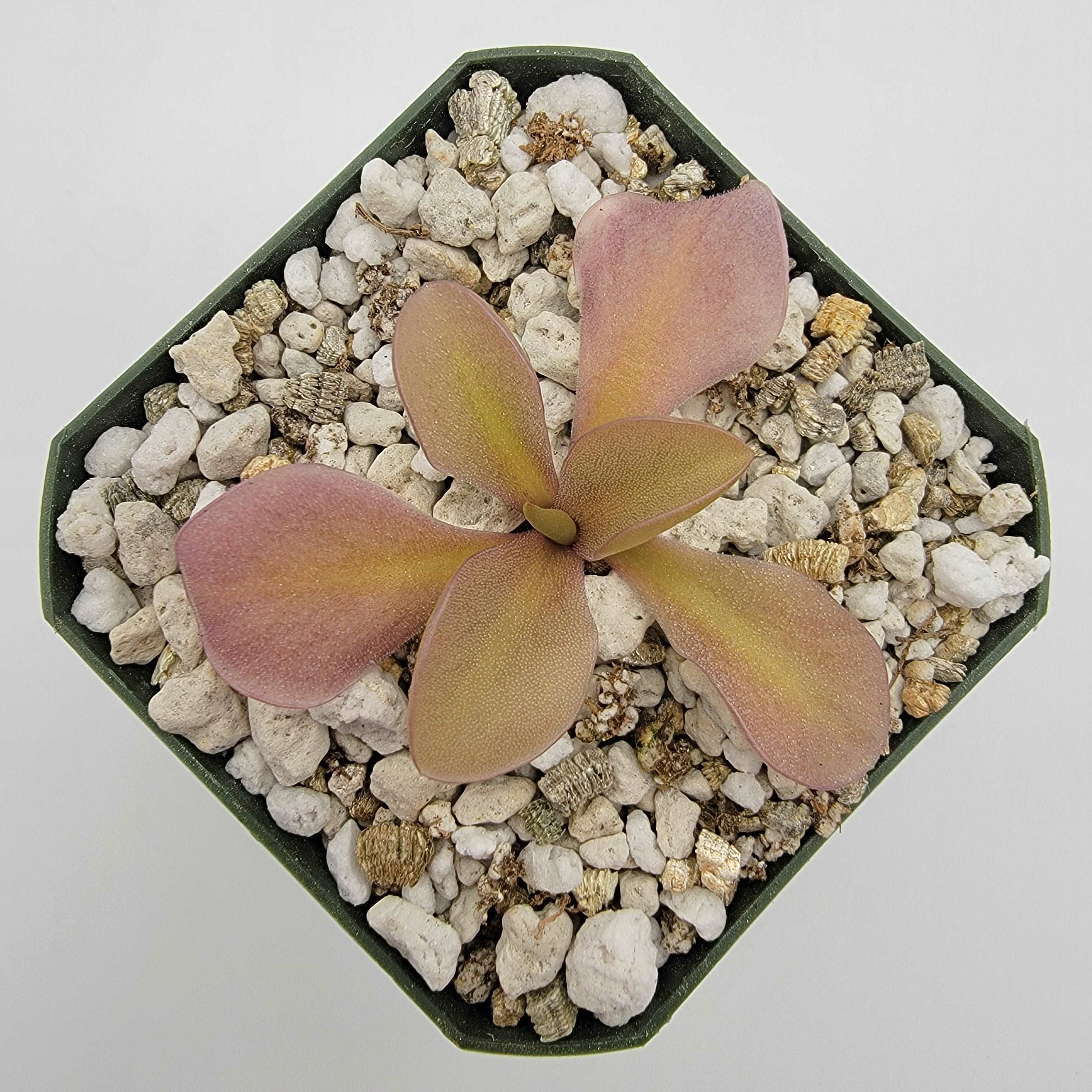
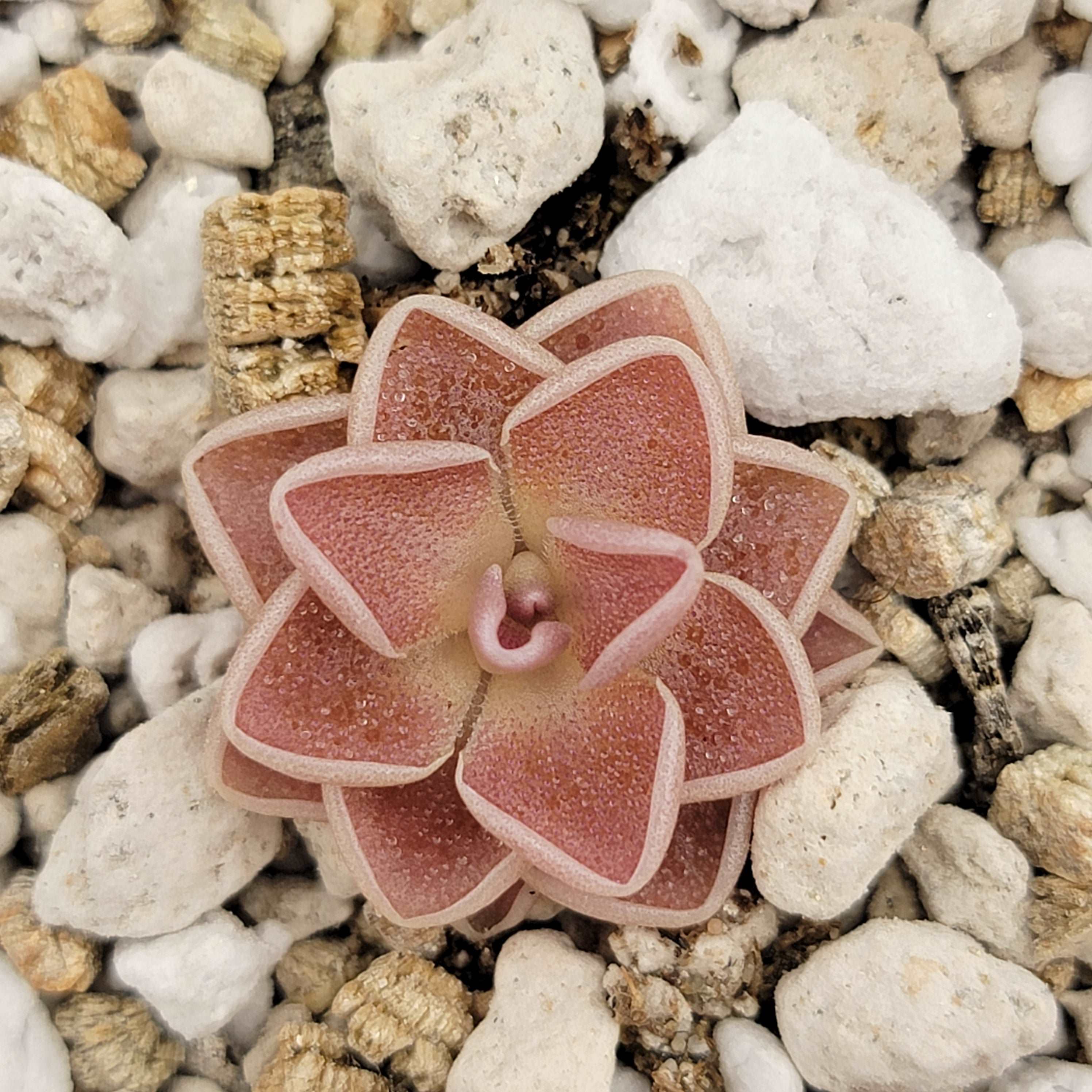
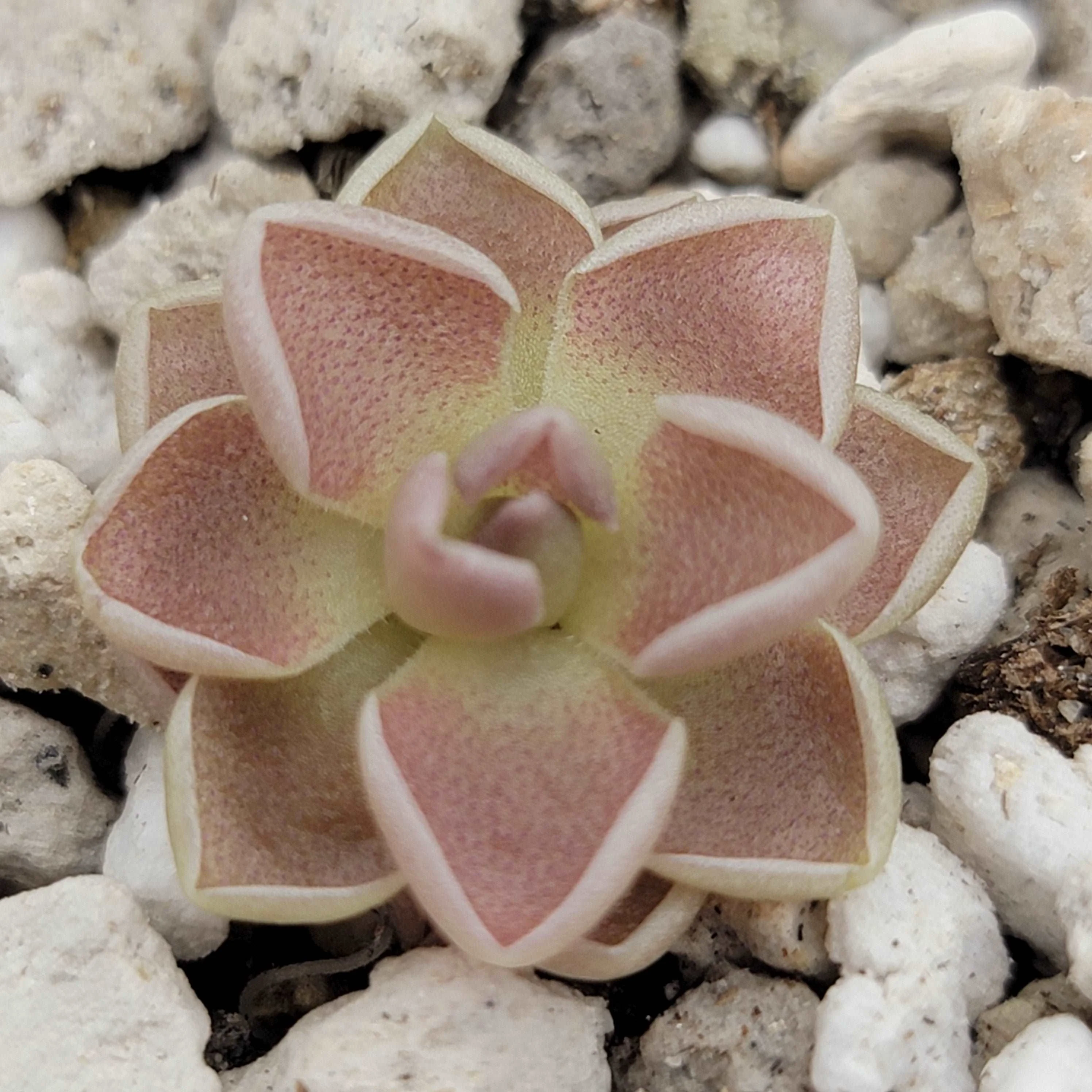
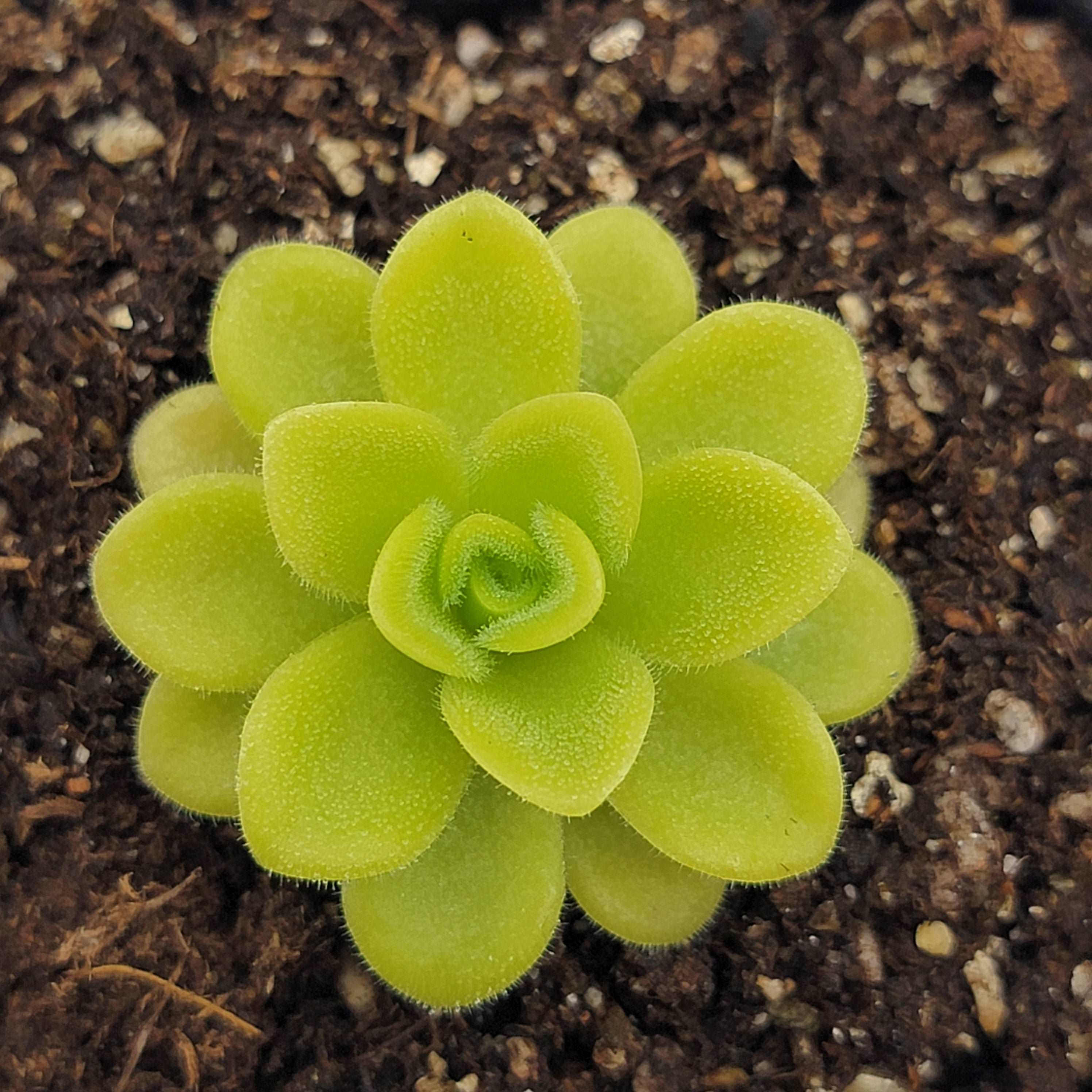
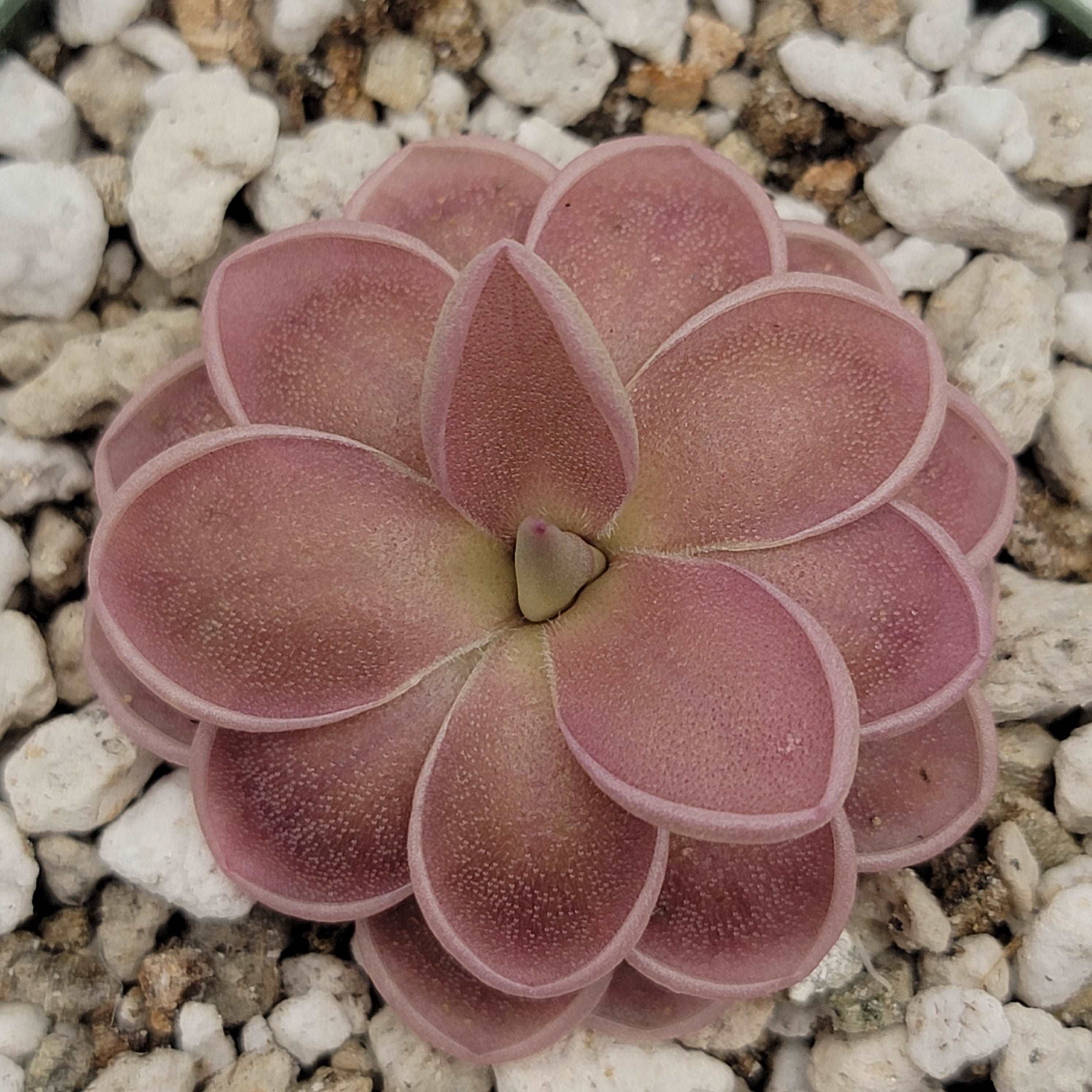
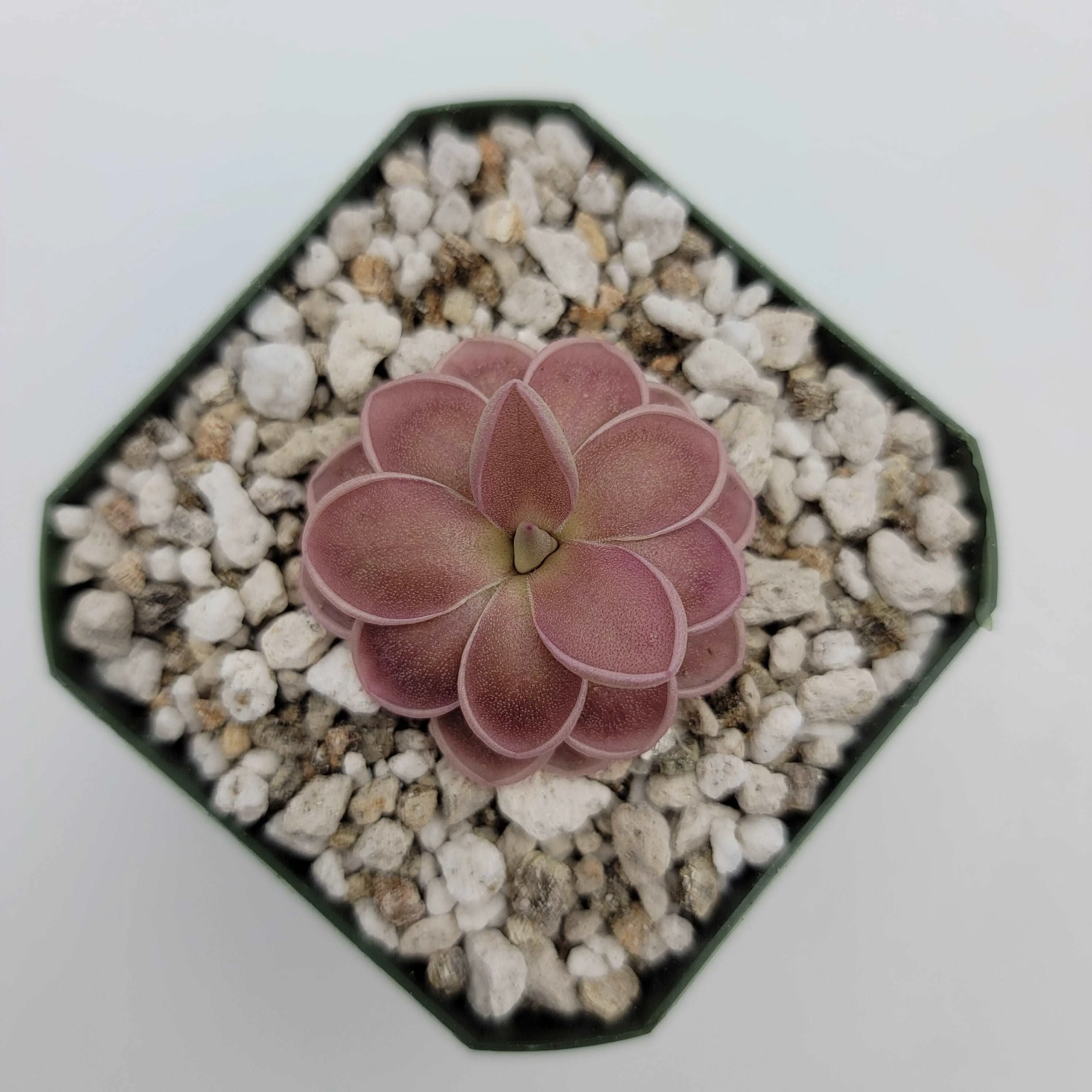
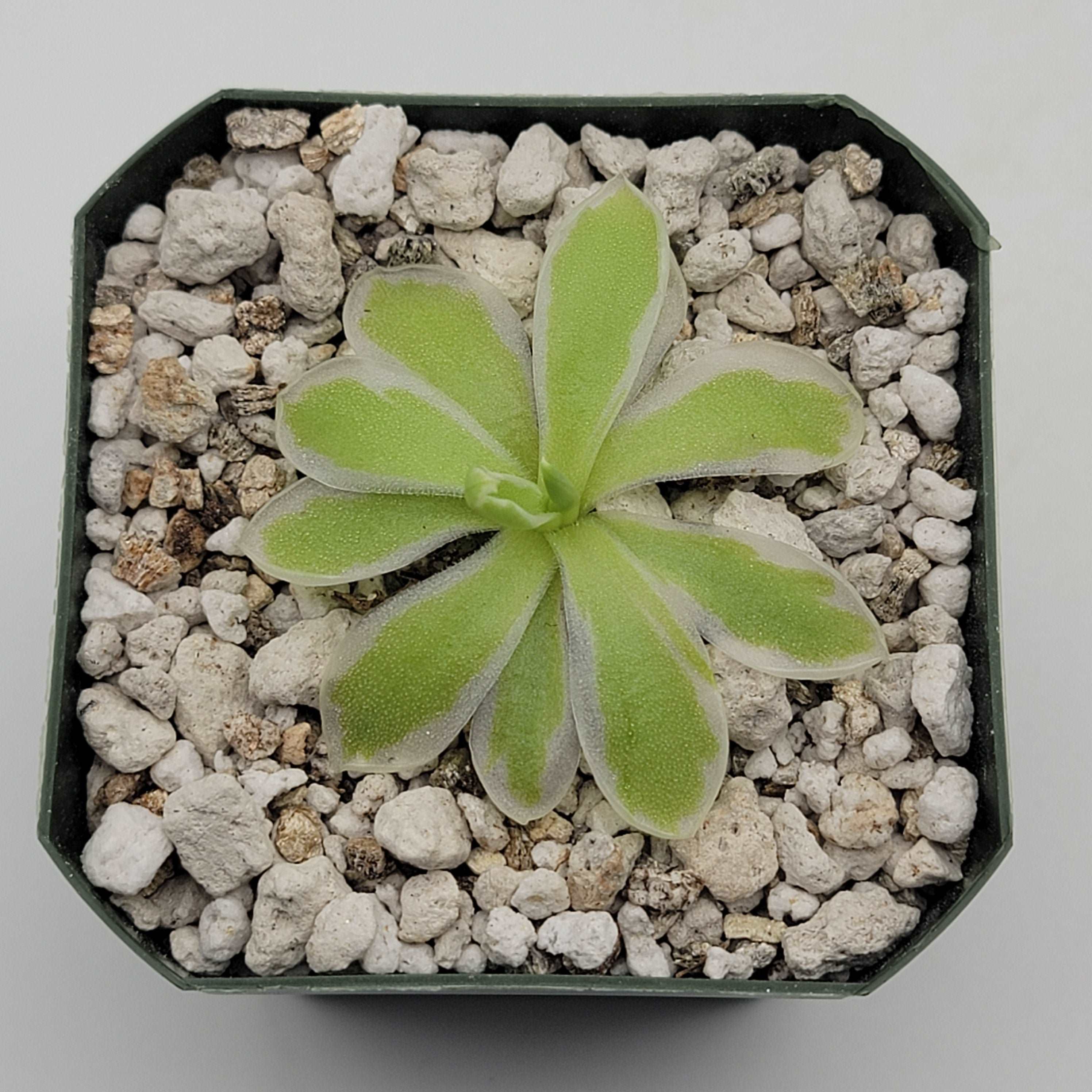
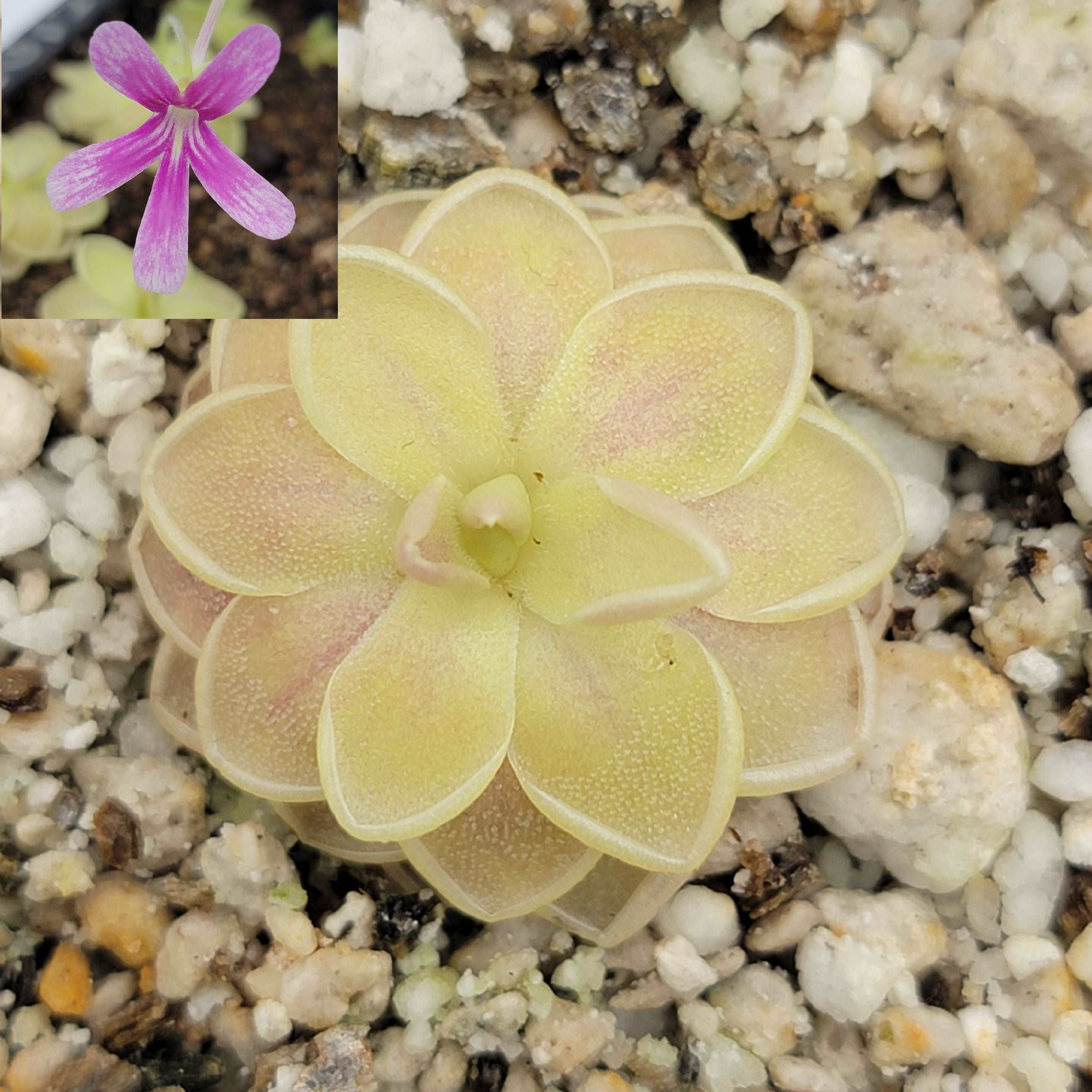
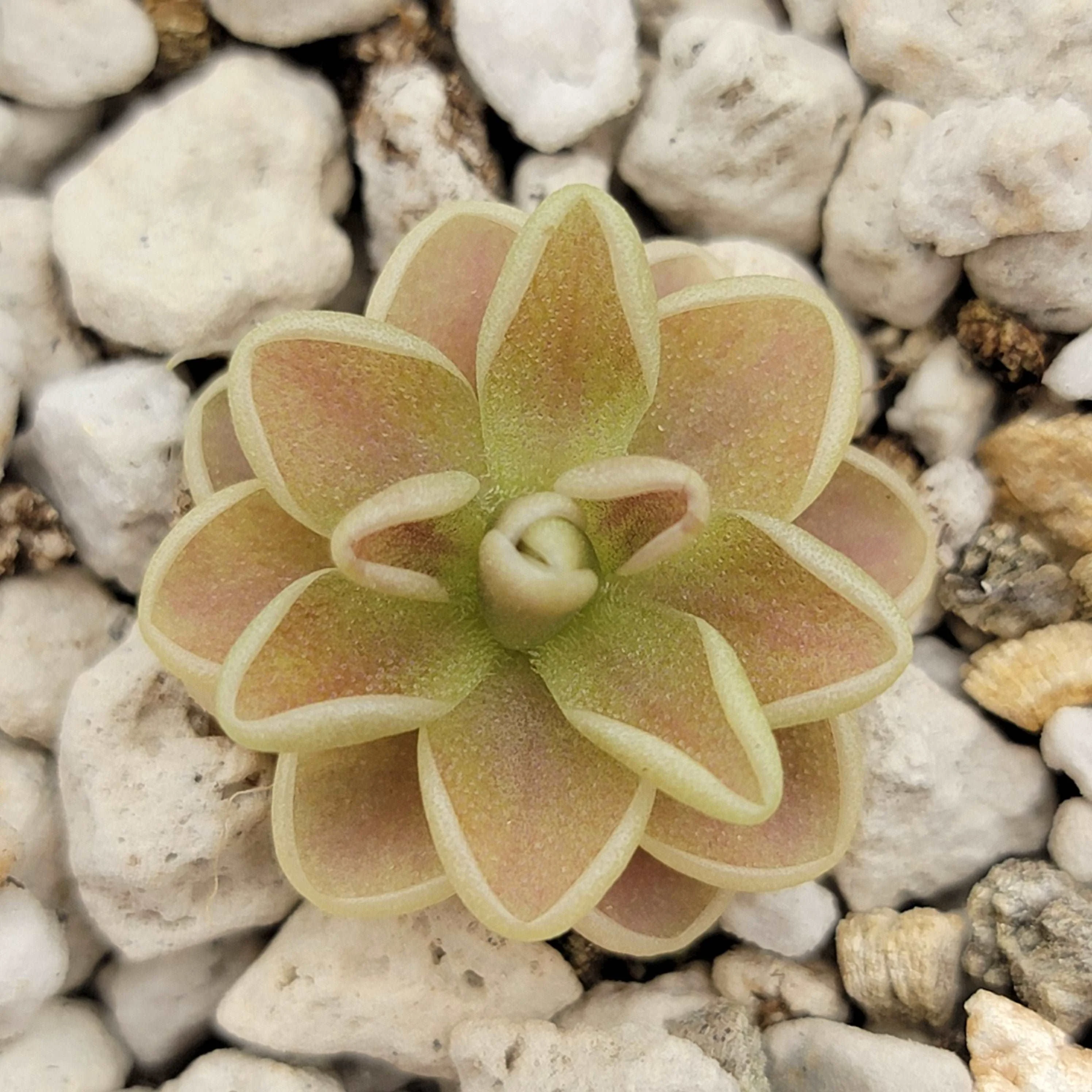
- Description: This tiny little Brazilian native succulent that thrives in a climate that mimics those found in the average house. It is small in size and has a slow growth rate, reaching full maturity in three to five years. That same leaf shape is what gives the plant its common name. Each one looks like the shell of a miniature turtle strung together. Every tiny leaf on its trailing vine has intricate multi-colored patterns covering its surface. The colors become muted with age and eventually become bicolored by maturity, usually a darker green contrasted by light green.
- Botanical Name: Peperomia Prostrata
-
Common Name(s): String of Turtles
- Description: This tiny little Brazilian native succulent that thrives in a climate that mimics those found in the average house. It is small in size and has a slow growth rate, reaching full maturity in three to five years. That same leaf shape is what gives the plant its common name. Each one looks like the shell of a miniature turtle strung together. Every tiny leaf on its trailing vine has intricate multi-colored patterns covering its surface. The colors become muted with age and eventually become bicolored by maturity, usually a darker green contrasted by light green.
Select Size
Select Pot Type
From $6.30
Original: $17.99
-65%Peperomia Prostrata 'String of Turtles'—
$17.99
$6.30Description
- Botanical Name: Peperomia Prostrata
-
Common Name(s): String of Turtles
- Description: This tiny little Brazilian native succulent that thrives in a climate that mimics those found in the average house. It is small in size and has a slow growth rate, reaching full maturity in three to five years. That same leaf shape is what gives the plant its common name. Each one looks like the shell of a miniature turtle strung together. Every tiny leaf on its trailing vine has intricate multi-colored patterns covering its surface. The colors become muted with age and eventually become bicolored by maturity, usually a darker green contrasted by light green.